Thursday, July 11, 2013

The First Priority Herb Garden

One of our first priorities, upon settling into our new apartment, was to plant an herb garden.


Obviously, different people have different priorities when 75% of them move cross-country (or mid-country) with only 5% of their belongings. Some might think first of indoor furniture, like, say, a couch or a bed. Others might instantly shop for appliances and electronics, already missing their toaster and their television.


I'm not saying we don't have a toaster. I'm just noting that the first furniture we acquired may have been a pair of bright teal balcony chairs on which to sit while eating dinner, and that a balcony herb garden may have been at the top of the first page of our shopping list. And that technically, we don't yet have a couch.


Now, to plant an herb garden, one needs a few essentials. For example, herbs. Fortunately, with Family Tree Nursery only minutes away, we had easy access to Essential Herb Garden Ingredient #1. The problem came when we had to select which herbs we wanted. Because unlike our local nursery back in sleepytown California, which might carry four or five different types of basil and two different kinds of oregano—a selection that used to seem pretty fancy to us—Family Tree Nursery takes its herbs Seriously with a capital S.


There were, to be specific, eleven varieties of basil. If you wanted Thai basil in particular, you still had three options. There were at least eight types of rosemary, complete with notes on flavor profiles and optimal growing conditions. There was a full buffet of sages, oreganos, and thymes, and side tables full of mint, lavender, dill, tarragon, parsley, and lemon verbena. There were, in other words, choices to be made.


The reason that we had to make choices was because our careful calculations revealed that technically speaking, the entire variety of herbs would not fit into the interior dimensions of our car without violating some basic laws of physics and geometry. Also, we had just the one planter on just the one balcony, although if our car had been bigger, I'm not sure this would have stopped us (the neighbors don't seem to be using their balcony, after all, so surely they wouldn't mind if we climbed on over there and planted a flag...and thirty-five different herbs...on behalf of our expanding culinary kingdom).


But, because the husband irrationally refused to consider my entirely reasonable suggestion trade in our small hatchback for a nice, roomy SUV-herbobile, we had to carefully whittle down our selection to a mere eleven plants (including only three varieties of basil). I can only hope that we do not spend the next year regretting the glaring absence of Thai Siam queen basil and Tuscan blue rosemary from our lives, since all we have now is African blue basil, Thai magic basil, bush basil, and Lockwood de Forest rosemary (not to mention French thyme, flat leaf parsley, variegated oregano, garden sage, and some calibrachoa for color. Oh, and a fuchsia, just because).


Thusly and herbilly endowed, we made our way homewards, where we already had our planter and potting soil waiting for us (for any fellow aspiring balcony farmers out there, you may want to consider a self-watering planter, like the ones you can find here, which save you from having to douse your planters daily by continuously moistening the soil from a reservoir you refill once a week or so). Whereupon we planted ourselves a balcony herb garden.

Plus an auxilliary herb pot. Just in case.


Tuesday, July 9, 2013

Saffron Zucchini

Found at Whole Foods: Local golden and green zucchini
Found at Trader Joe's: Decently-priced saffron

Together, it turns out, they make the perfect side dish to pair with moujendra or chickpeas or a Spanish chicken recipe...or probably anything reminiscent of a dish you'd find near the Mediterranean Sea.


Ingredients
Olive oil
1 small shallot, halved and sliced
2-3 pinches saffron
2 medium zucchini, quartered lengthwise and then sliced into cubes
2-3 pinches salt
1/4 cup broth

Saute the shallot in a little olive oil over medium-low heat. Add the saffron, stir once or twice, then add the zucchini and stir to coat. Add the salt and broth, stir, and cover the pot. Let simmer for 8-10 minutes or until desired tenderness, stirring once or twice in the middle. If the pot gets dry, add a slosh more broth.

Adjust salt to taste, and serve hot.

Serves 2-4.


Friday, July 5, 2013

Polenta with Tomatoes, Basil, and Balsamic Reduction

Found at Natural Grocers: gorgeous leeks; our favorite broth
Found at Whole Foods: local, ripe tomatoes
Found outside: beautiful weather for a lunchtime picnic on the balcony

The result? An easy, simple, delicious dish that pairs perfectly with a chilled glass of Torrontés (from World Market).


Ingredients
2 cups chicken or veggie broth
1 cup coarsely ground cornmeal (polenta)
Olive oil
2 inches of a medium leek (white and/or light green part), chopped
2 medium-large, local, fragrant tomatoes, cut into bite-size chunks and sprinkled with salt (to bring out the flavor as they sit)
12-20* leaves fresh sweet basil, cut crosswise into halves or thirds
3 tbsp balsamic vinegar, reduced (simmer gently in a small pot until volume reduces by half)
A little Manchego or Parmesan cheese, for grating over the top
Freshly ground black pepper

Bring the broth and 1/2 cup water to a boil in a small pot. Meanwhile, set a nonstick pan over medium-low heat and add a glug of olive oil. Saute the leeks for 3 minutes, or until they soften, then add the tomatoes and stir gently to combine. Turn off the heat (the tomatoes will warm through as you cook the polenta).

Adjust the heat under the small pot to medium, uncover, and slowly add the polenta, stirring constantly with a wooden spoon. Continue to stir, adjusting the heat if necessary to keep the polenta at a gentle simmer, for 3-5 minutes, until desired consistency (I like it when it just starts to pull away from the side of the pan as you stir). Cover and remove from heat.

Turn the heat back on under the pan of tomatoes for a minute if they're not yet as warm as you'd like them. (If they weren't super fragrant to begin with, you may want to cook them a minute more.) Add the basil and adjust salt to taste.

Serve in layers: polenta, then a little grated cheese, then the tomatoes. Sprinkle with freshly ground black pepper, and drizzle with balsamic reduction before serving.

Serves 2.


*Go with fewer if store-bought, more if home-grown...the supermarket variety is usually older and therefore sharper, whereas home-grown basil rarely overwhelms the dish.

Tuesday, July 2, 2013

Cook Food Mostly Plants Takes Kansas: Round 1

What can I say? I'm a sucker for a challenge. It's all well and good to cook food (mostly plants) while surrounded by the lush, local produce of California's Central Valley, but what about in a place with those...now what were they called again...oh yes...what about in a place that has seasons? Say, for example, Kansas. What would I cook if I were plopped down in the center of the country, in what many would call one of the barbecue capitals of America, where there is an entire day each year dedicated to bacon, and where there is nary a co-op in sight?

What then?

Enchanted by this question, I picked up my spatula and set off for Kansas.


Okay, that's not quite what happened.

But I am in Kansas, and I do have a spatula. (What actually happened is that the husband got a fellowship in Kansas City for a year, and so 1.5 of us have moved to the midwest while the other .5 will remain in California. Barring the sudden development of a electron-like ability to superposition myself, the year will involve many plane flights).


I am therefore hereby officially setting out to Cook Kansas, Mostly Plants. With my Costco-sized gallon of olive oil in one arm and a massive bunch of dandelion greens in the other. And an electric stove. And steely determination. And a little basil plant named Basil.


You're invited.

Wednesday, June 26, 2013

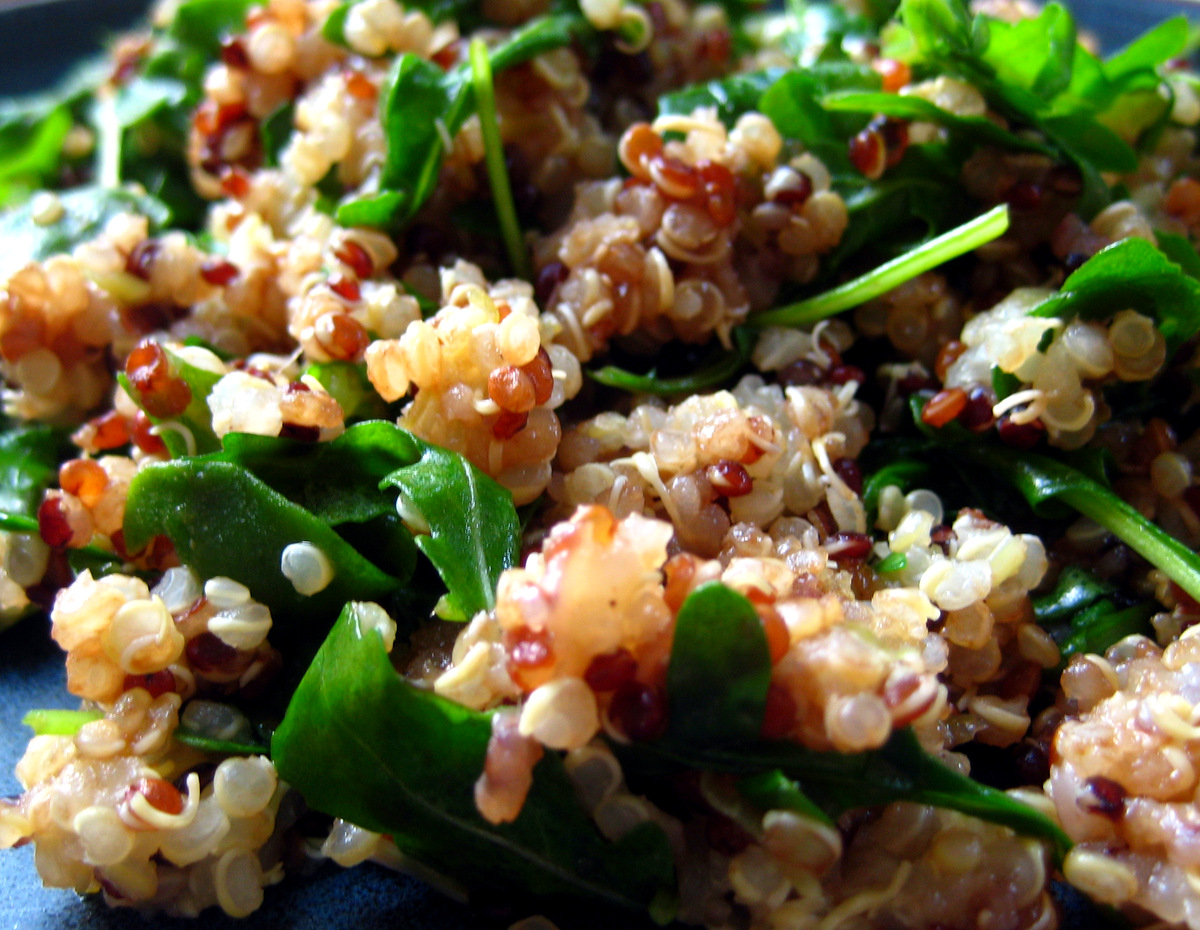
Wilted Arugula Salad with Quinoa and Cherry Tomatoes

Here's an easy, delicious summertime salad that's perfect for a backyard picnic or summertime potluck.


Ingredients
1 cup quinoa, rinsed, soaked for 20 minutes, and drained
4 big handfuls baby arugula
Olive oil
6-8 tbsp balsamic vinegar, reduced
(simmer uncovered over low heat until volume reduces by half)
1/2 basket cherry tomatoes, halved
Kosher salt
Freshly ground black pepper
A little shaved Parmesan or a (mild, firm) goat's milk cheese* or a crumbly bleu cheese

Combine the quinoa and 1 1/4 cups water in a pot, cover, and bring to a gentle boil. Reduce the heat and let simmer 15 minutes or until liquid is absorbed and the little quinoa spirals have uncurled. Remove from heat.

Toss the arugula in a bowl with a generous drizzle of olive oil (enough to lightly coat the leaves). Pour in the quinoa and let sit over the arugula for about a minute, so that the leaves wilt slightly around the edges. Toss gently to combine, then drizzle with the balsamic reduction and toss again. Sprinkle generously with salt and pepper, then add the tomatoes. Toss once. Scatter with a little cheese before serving.

Serves 4-6.

*speaking of which, if you're in the Sacramento or Bay Area, Quatro Pepe is well worth seeking out.


Tuesday, June 11, 2013

Summer Salad with Cucumber and Cherry Tomatoes

The perfect accompaniment to bread and cheese on a hot summery afternoon.


Ingredients
1 cucumber or Armenian cucumber (about 12 oz), halved lengthwise and thickly sliced
1 pint cherry tomatoes, halved
About 10-12 large leaves fresh sweet basil, chiffonade
1/2 Eureka lemon, juiced
Olive oil
Sherry vinegar
Salt
Freshly ground black pepper

Whisk together the lemon juice, oil, vinegar, and a little salt and pepper in a small bowl. Lightly toss the cucumbers with a little of the vinaigrette, and set in the fridge for 5-10 minutes to crisp up.

Meanwhile, prepare the rest of the ingredients. Toss the tomatoes and basil in the vinaigrette, and adjust salt and pepper to taste. Toss with the cucumbers, and serve immediately.


Serves 3-4, and pairs well with an Argentinian Torrontes.

Tuesday, June 4, 2013

Sauteed Dandelion with Apricot and Golden Raisins

Speaking of dandelions, here's a springtime twist on winning the weed wars:


Ingredients
Olive oil
1 red spring onion, halved and sliced (or sub a shallot)
Small handful golden raisins
1 bunch dandelion greens, cut crosswise into ribbons
1/4 cup chicken broth
1 ripe apricot, halved and thinly sliced

Heat the olive oil in a pan over medium heat. Add the onion and saute for a couple of minutes until soft, then add the raisins and cook for a minute more. Fold in the greens and saute, stirring, for another minute or so, then pour in the chicken broth. Stir once or twice, then cover and let simmer for 3-4 minutes. Remove the lid and simmer until the excess liquid boils off. 
 
Turn off the heat, fold in the apricot slices, and cover. Let sit for 1-2 minutes till the apricots have just warmed through, and then serve.

Serves 2-3.

Sunday, May 26, 2013

In Defense of Dandelions

This just in: We've been Breeding the Nutrition Out of Our Food. Oops.


(Antidotes here, here, and here. Or track down some arugula or purslane at your nursery and start a planter full of phytonutrients to toss in your summertime salads).


Sunday, May 19, 2013

Making Time for Taste


All right. Just because I've fallen off the face of the earth doesn't mean you shouldn't have something good to read. So try this: The Science of Savoring. A good reminder to put down the work, back away from the computer, and cook something to eat with family and friends.


P.S. Back soon, I promise...but in the meantime, keep cooking!


Tuesday, May 7, 2013

Easy Quinoa Salad

An easy, healthy, and delicious springtime side dish that complements just about anything.


Ingredients
Olive oil
1 tbsp chopped red spring onion (or sub shallot)
1 tbsp chopped green garlic (or sub 1 clove garlic, pressed)
1/2 cup quinoa
3/4 cups chicken and/or veggie broth
4 oz baby arugula
3 tbsp balsamic vinegar
Kosher salt and freshly ground black pepper

Rinse the quinoa well in a mesh strainer and let soak in cold water for 15-30 minutes, then rinse and drain well. (This removes the bitter saponins so the quinoa tastes sweeter. A lot of the quinoa sold in supermarkets is now prewashed so that you can skip this step, but some of the fair-trade quinoa still seems to taste better if you have time to soak it first. The liquid measurements here assume you've soaked the quinoa—if not, cook according to the package directions.)

Heat olive oil in a smallish pot over medium heat. Add the onion and green garlic and saute, stirring, until they soften (about 2-3 minutes). Add the quinoa, stir, and then add the broth. Cover, bring to a simmer, then reduce the heat to low and simmer for 15-20 minutes or until the quinoa has unspiraled and the liquid is absorbed. Uncover and remove from the heat.

Meanwhile, heat a small pot over medium-low heat. Add the balsamic vinegar and simmer very gently until the liquid is reduced by half (don't stand over the pot or you'll get a nose full of vinegar). Remove from the heat.

Toss the arugula with a spoonful of good-quality olive oil. Add the quinoa and toss together (the arugula will wilt a bit from the warmth of the quinoa). Drizzle with balsamic reduction, sprinkle with salt and pepper to taste, toss once more, and serve.

Serves 2.

Wednesday, April 24, 2013

Moonfish with Curry Leaves, Ginger, and Asparagus

Spring is here, and with it comes green garlic, red spring onions, asparagus, and memories of our trip to Maui. Throw those together in a pan over medium heat, and you get this.


Ingredients
Olive oil
1 tsp chopped red spring onion or shallot
1 tbsp chopped green garlic
1 bunch asparagus, sliced at an angle into 1 inch pieces
1/2 lb moonfish (opah)
8-10 fresh curry leaves
1 tbsp julienned fresh ginger (slice thinly, then slice crosswise)
Salt
1/4 cup coconut milk

Heat a pan over medium heat. When hot, add a glug of olive oil. Add the asparagus, onion, and a bit of the green garlic, and saute, stirring, for 2-3 minutes. Cover, turn down the heat, and let cook for 1-5 minutes longer (depending on how thick the stalks are) until al dente, stirring occasionally. Sprinkle with salt, then transfer into a bowl and set aside.

Add another glug of olive oil to the pan, and return the heat to medium. Press a few curry leaves onto
one side of the fish, and then flip leaf-side down into the pan. Press curry leaves onto the upward side of the fish as well, and sprinkle with a little salt. Cook until the bottom of the fish is golden brown, then flip, and cook the other side till golden brown as well.

Add a little more olive oil, the rest of the green garlic, curry leaves, and ginger to the side of the pan and saute, stirring, for about a minute or until the garlic softens but before it browns. Add the coconut milk and a splash of water, stir to combine with the garlic ginger mixture, and then add the asparagus back to the pan. Cover and cook over medium-low heat until the fish is almost but not quite cooked through, then immediately turn off the heat.


Serve over jungle rice. (The heat of the rice will finish cooking the fish on the way to the table).


Serves 2.

Saturday, April 13, 2013

Jungle Rice

If you think of rice as a plain old staple—something to plop down on your plate as a generic staging ground for a hunk of chicken or slab of fish—think again. Or better yet, stop thinking and just make this.


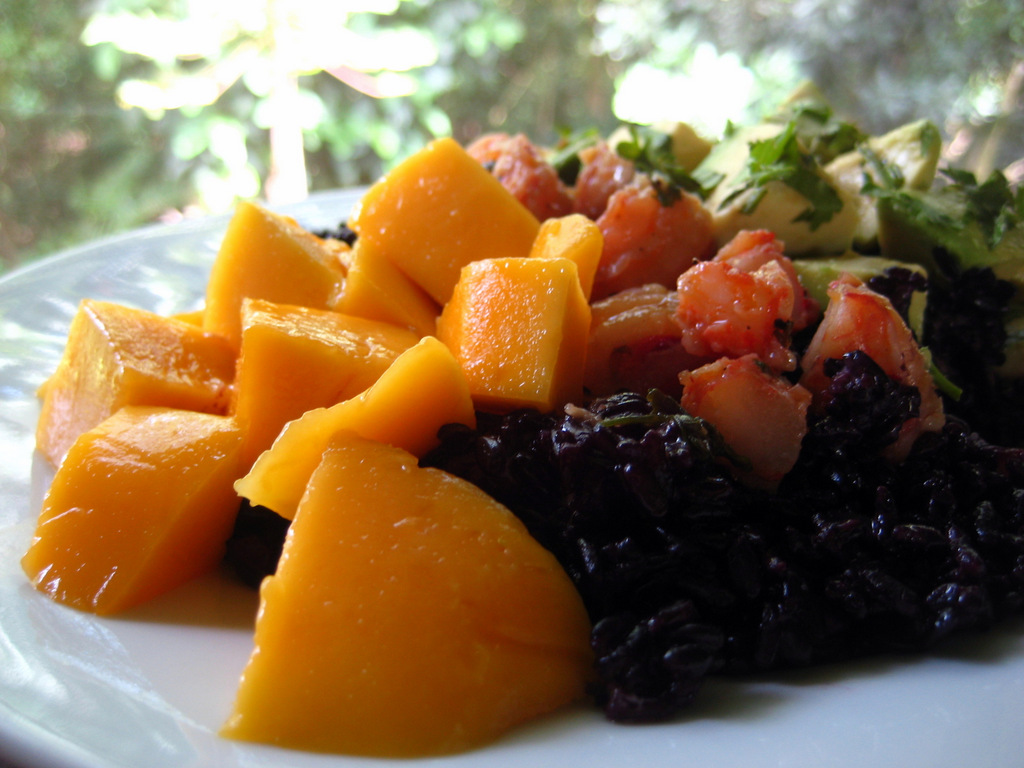
Pairs wonderfully with seared fish, sauteed bok choy, grilled garlic shrimp, avocado tossed with cilantro, ripe mango, and probably anything else you might find yourself cooking with Hawaiianesque ingredients (we named it "Jungle Rice" in honor of the little patch of Maui jungle in which we were staying when we first cooked it). And it's flexible—if you're missing something like pistachios, you can substitute cashews (or just leave the nuts out). If you don't have curry leaves or coconut milk, it will still turn out quite well (though make sure you add enough water to replace the liquid from the coconut milk). And you can make it with other kinds of rice as well (we just discovered that Madagascar pink rice is particularly delicious in this recipe...just make sure to adjust the water and cooking time for the type of rice you use).

Ingredients
Olive oil
1 shallot, chopped
4 fresh curry leaves
2 tbsp shelled pistachios (roasted is even better)
1 scant cup black Forbidden rice, rinsed and drained
1 cup water
1/4 cup coconut milk, plus a couple spoonfuls to drizzle over the top if desired

Heat a glug of olive oil in a smallish pot over medium heat. Add the shallot, curry leaves, and pistachios and saute, stirring occasionally, for 2-3 minutes or until the shallot softens. Add the rice and saute for 1-2 minutes more. Stir in the water and coconut milk, cover, and bring to a simmer, then turn the heat down to low and simmer for 23 minutes or until the liquid is all absorbed and the rice is tender.

Serve hot, with a little coconut milk drizzled over the top.

Serves 2-3.


Sunday, March 31, 2013

Braised Carrots with Cumin Seed and Lemon

Cumin seeds and lemon zest combine to make these carrots anything but ordinary.
Born to go with this, but heavenly on their own as well.


Ingredients
Olive oil
1 bunch carrots, sliced at an angle
Cumin seeds
Pinch salt
About 1/4 cup chicken or veggie broth
Pinch or three Meyer lemon zest

Heat a nonstick pan over medium heat. When hot, add a drizzle of olive oil. Add the cumin seeds and stir once, then add the carrots and stir to coat. Let cook for 3-4 minutes, stirring once (if they brown a bit, that's great).

Add a pinch or two of salt and a slosh of broth, cover, and let steam for 2-3 minutes more or until carrots are just tender. Uncover to let any excess liquid evaporate. Turn off the heat, sprinkle with a pinch or two of lemon zest (just enough to get a hint of lemon), and serve hot.

Serves 2-3.


Friday, March 22, 2013

Plants for Dessert: Strawberries and Limoncello

I have heard, through the grapevine, that certain readers have been clamoring for more desserts. Because I am, at heart, a selfless individual, I have virtuously set aside my dinner plate and subjected myself to rigorous taste-testing of the following recipe. Results so far are promising, and yet as a scientist, I must insist on 10-20 more trials before coming to any definite conclusions.


If you need me, I'll be over there in the corner with a bowl full of strawberries.

Ingredients
Fresh, fragrant strawberries, sliced crosswise into thirds or quarters
2-4 fresh mint leaves per person, chiffonade
1/2 shot limoncello per person
Bar of good-quality dark chocolate, for shaving

Toss the strawberries with the limoncello and mint. Spoon into serving bowls or glasses, and shave a little dark chocolate over the top using a microplane or carrot peeler.

Serves you and anyone you've decided you really, really love that day.


Saturday, March 16, 2013

Cannellini Spread with Garlic and Cilantro

Quick, easy, delightful, and tastes like springtime on a plate.


Ingredients
1 shallot, sliced
3 cloves garlic, smashed
Salt
1 can cannellini beans, rinsed and drained
Handful fresh cilantro
Dash or four of ground cumin
Dash or two of paprika
1/2 tsp Aleppo pepper (or sub 1 pinch cayenne pepper)
Crackers or toasts

Optional (but highly recommended):
2-3 handfuls baby arugula, very coarsely chopped
(or sub baby spinach, coarsely chopped)
Juice of 1/3 Meyer lemon

Heat 2-3 tbsp olive oil in a small pan over medium heat. Add the shallot, garlic, and a pinch of salt, and turn the heat down to medium low. Saute for about 3 minutes or until the garlic softens, then remove from the heat.

Combine the cannellini beans, shallot-garlic mixture (with the oil), and cilantro in a Cuisinart and blend until smooth. Add a dash or four of ground cumin, a touch of paprika, and the Aleppo pepper, and blend again. Taste and adjust salt, cumin, paprika, and cilantro as needed (you want the cilantro taste prominent but not overpowering, and the cumin and paprika as more of a background note. If you like the balance of flavors but want to bring them out more, add a little salt).

Toss the baby arugula with a light drizzle of olive oil and Meyer lemon juice, if desired, and arrange in a ring on a plate or soup bowl. Add the spread to the middle, and serve with stone ground whole wheat crackers.

Serves 2 for a light lunch or 4-6 for appetizers.

Wine pairing: Tapiz Torrontés


Sunday, March 10, 2013

Moroccan Chickpea Stew

You know how sometimes people who aren't vegetarians will say to people who are vegetarians, "Oh, I couldn't imagine not eating meat...vegetarian food is so bland," and the vegetarian person will cast about for a suitable retort?


This. This is the retort.*


Make this as a meal in itself, or pair with lemon-mint couscous and carrots braised with toasted cumin seeds and lemon zest.

(Inspired by the soup here and the recipes here and here.)


Ingredients
Olive oil
3/4 tsp ground cumin
1 small onion, chopped
1 shallot, chopped
5 cloves garlic, pressed
Scant 1/2 tsp ground cinnamon
3/4 tsp paprika
3/4 tsp Aleppo pepper (or sub 2 pinches cayenne)
1 cup chopped canned tomatoes
2 cans chickpeas, rinsed and drained (or sub 3-4 cups homegrown and precooked)
2 3/4 cups chicken and/or veggie broth
Salt, to taste
2-3 handfuls chopped mild greens (like chard or spinach; or sub 3/4 cup frozen spinach)
Fresh cilantro leaves, for garnish

Heat a soup pot over medium heat. Add a glug of olive oil and allow to heat through. Add the cumin to the oil and let it sizzle for 10 seconds to toast. Stir in the onion, shallot, and another drizzle of olive oil, and saute until the onions soften slightly. Next, add the garlic and a pinch of salt and saute for a minute or two more, turning the heat down a little to keep it from browning.

Add the cinnamon, paprika, and Aleppo pepper, and then stir in the chickpeas. Saute, stirring occasionally, for about 2 minutes, then add the tomato and saute for a minute more. Pour in the broth, cover the pot, and bring to a boil. Turn the heat down to low and simmer gently for 40 minutes.

Adjust salt to taste. Add the greens and simmer for another couple minutes, then turn off the heat. Use an immersion blender to blend just a bit of the soup to thicken it (or ladle one quarter of the soup into a blender, blend till smooth, and return to the pot).

If you have time, let the soup sit, covered, for another 10-15 minutes to allow the flavors to blend.

Serve warm (not boiling hot) and garnish with cilantro.

Serves 3-4.

Pairs in a heavenly way with an Amador County F8 Tempranillo.

*Dear bacon: Don't worry, I still love you.

Sunday, February 24, 2013

Orzotto with Braised Kale and Butternut Squash

Found in the fridge: Green kale, garlic. Found on the washing machine: A butternut squash, shallots, also fabric softener but clearly that had been misplaced from its proper location. Found in the cupboard: Whole wheat orzo, cannellini beans.

Solution: Dinner now, laundry later.


This is one of those meals you can start cooking as soon as you have the first ingredients ready and prepare the rest as you go, which means it manages to pull off that obsession-worthy trifecta of being easy, healthy, and deeply delicious.


Ingredients
Olive oil
1 medium to large shallot, halved lengthwise and sliced
2-3 cloves garlic, smashed
1 bunch green kale, sliced into thin ribbons
1 cup diced butternut squash
1 can cannellini beans, rinsed and drained
1.5 cups flavorful chicken and/or veggie broth
1 rounded cup whole wheat orzo pasta
Salt and white pepper to taste
Parmesan cheese

Heat a generous glug of olive oil in a wide saute pan over medium heat. Add the garlic and shallot and saute for 1-2 minutes, until they soften slightly. Add the kale, in batches if the pan isn't big enough to hold it all at once before it starts to wilt, and toss well with the garlic and shallot. Saute, turning occasionally with tongs, until the kale wilts down quite a bit, drizzling with a little more olive oil if necessary.

When the kale has mostly wilted, add the butternut squash. Stir, sprinkling with salt, then add a slosh of broth and cover. Let simmer for 3-5 minutes, uncover, stir, add a slosh more broth, and repeat. Continue this for 15-20 minutes, turning the heat down to low about midway through. (Don't worry the kale mixture sticks to the bottom of the pan a bit now and then—the browning actually makes it taste even better). Add the beans, stir, and continue to cook over low heat for 3-5 more minutes, then turn off the heat and let sit for the flavors to blend.

Meanwhile, bring 1 1/4 cups of broth to boil in a smallish pot. Add the orzo, stir, and cover. Turn the heat down to low and simmer for 9 minutes, or according to package directions. (If you double this recipe, you may want to use a bit less broth, or else uncover the pot to let the excess broth evaporate at the end.)

Stir the orzo into the kale and squash mixture and adjust salt to taste. Serve into bowls, and sprinkle lightly with Parmesan cheese and white pepper.


Serves 2-3.